
Designing Out Plastics in Building Fabric Guest post
GBE > Advertise > Collaborate > Services > Guest Posts > G#43392
About:
Designing Out Plastics in Building Fabric
Plastics are embedded in modern construction practice.
They are present in insulation products, vapour control layers, damp-proof membranes, window frames, sealants, floor finishes, service conduits, and composite cladding systems.
The term building fabric refers to the physical elements that form the envelope and structural components of a building—walls, roofs, floors, foundations, windows, and doors—excluding mechanical and electrical services.
Designing out plastics in building fabric therefore involves intentionally reducing or eliminating polymer-based materials from these components during design and specification.
This objective is not primarily aesthetic. It arises from three interrelated concerns:
- The fossil-based (non-renewable) origin and associated greenhouse gas emissions of most plastics
- Their persistence and end-of-life disposal challenges
- Fire performance and toxicity risks to both occupants and firefighters under certain conditions
However, plastics also offer demonstrable advantages in durability, moisture resistance, thermal performance, and cost control.
It is also important to recognise that while some projects—particularly commercially driven schemes—may prioritise cost; clients and design teams are entirely at liberty to adopt low-plastic ambitions within project briefs. In some cases, plastics may be screened out where viable non-plastic alternatives exist before detailed numerical justification is undertaken.
Nevertheless, any proposal to eliminate plastics must ultimately remain technically robust, transparent, and defensible, particularly where regulatory compliance and performance are concerned.
Defining Plastics in Construction Context
Plastics are synthetic or semi-synthetic materials composed primarily of polymers. Common examples include:
- Polyvinyl chloride (PVC) – window frames, pipes, membranes
- Expanded/extruded polystyrene (EPS/XPS) – insulation
- Polyurethane (PUR/PIR) – insulation boards
- Polyethylene (PE) – vapour control layers and damp-proof membranes
- Acrylics and silicones – sealants and glazing
Most are derived from fossil-based feedstocks.
Their environmental impact is measured using Global Warming Potential (GWP), typically over a 100-year assessment period. However, this can be contrasted with typical building design lives (e.g., ~60 years in the UK), and differing time horizons can influence how materials are comparatively assessed.
Whole-life carbon is evaluated through Life Cycle Assessment (LCA) under ISO 14040/14044 and BS EN 15978.
Environmental Product Declarations (EPDs) provide verified data, but variability in assumptions, scope, and Product Category Rules (PCRs) can limit direct comparability. Therefore, designing out plastics must be assessed through structured LCA rather than material preference alone.
Plastics and Embodied Carbon
Plastic-based products often exhibit high embodied carbon per kilogram due to fossil-based energy-intensive manufacturing.
However, performance efficiency complicates comparison:
- PIR insulation has higher embodied carbon per kg
- But requires thinner layers due to better thermal performance
Thus, replacing plastics may increase:
- Assembly thickness
- Use of connective and supporting materials
- Transport impacts
Assessment must therefore occur at system or elemental assembly level, not just component or material level.
Additionally, carbon is only one factor. Broader considerations include resource use, chemistry, water impacts, and human health, which may present conflicting priorities.
Fire Performance Considerations
Plastics can contribute to fire load and may emit toxic gases such as hydrogen chloride or hydrogen cyanide.
Fire performance is regulated under Approved Document B and classified using BS EN 13501-1, which includes:
- Reaction to fire
- Smoke production
- Flaming droplets
While plastics rarely improve fire safety directly, they can be used safely when correctly detailed and protected.
Although stricter façade rules apply above 18m, recent fires in lower-rise buildings demonstrate that regulatory thresholds alone do not eliminate risk.
Designing out plastics may simplify compliance (e.g., mineral wool A1/A2 materials), but must still balance:
- Moisture performance
- Buildability
- Thermal detailing
Structural loading is generally a minor consideration, as most insulation materials are lightweight.
Moisture Control and Vapour Permeability
A key technical advantage of plastics is predictable moisture resistance.
Polyethylene VCLs and DPMs provide reliable vapour and water barriers.
Alternatives—such as intelligent membranes or bituminous systems—require careful hygrothermal modelling (BS EN 15026).
It is important to distinguish:
- Vapour diffusion
- Air infiltration
Air leakage often transports significantly more moisture than diffusion.
Therefore, airtightness detailing remains essential regardless of material choice.
Designing out plastics must therefore be supported by verified moisture risk assessment, not assumptions.
Durability and Maintenance
Plastics often provide long service life with minimal maintenance.
For example, PVC windows resist rot and corrosion and may last 30+ years. Alternatives such as timber can achieve similar durability but typically require ongoing maintenance regimes.
Maintenance contributes to:
- Operational carbon
- Lifecycle cost
Whole-life costing (ISO 15686-5) is therefore essential.
Claims that natural materials are always environmentally superior must be balanced against maintenance frequency and premature replacement risks.
Potential Substitution Strategies
Designing out plastics is best approached selectively:
1. Insulation Substitution
- Mineral wool (non-combustible)
- Wood fibre boards (biogenic carbon storage potential)
- Cellulose (recycled content)
However, biogenic carbon accounting requires caution, particularly regarding end-of-life assumptions.
Future circular economy scenarios may significantly alter outcomes.
2. Alternative Membranes
Bituminous or rubber-based membranes can replace polyethylene in some applications.
However, many still contain polymers, and full elimination may not be practical without compromising moisture protection.
3. Timber Windows Instead of PVC
Timber or aluminium-clad systems reduce polymer use. However:
- Aluminium has high embodied carbon unless recycled
- Maintenance requirements must be considered
4. Bio-Based Sealants and Adhesives
Emerging alternatives exist but often lack:
- Long-term durability data
- Certification history
Compliance with performance and fire standards remains essential.
Additionally, some formulations have introduced PFAS (everywhere and forever chemistry) or other chemical considerations, requiring careful scrutiny.
Circular Economy Considerations
Plastic waste presents challenges:
- Limited recycling due to contamination
- Composite assemblies difficult to separate
- Incineration reduces landfill but emits CO₂
Design strategies should prioritise:
- Design for Deconstruction (DfD)
- Accessible fixings
- Clear documentation
Circularity depends as much on system design and detailing as on material choice.
Regulatory and Standards Context
Embodied carbon regulation in the UK remains partly voluntary and evolving.
- RIBA 2030 targets are voluntary
- Local authorities increasingly require Whole Life Carbon Assessments
- Welsh and other regional policies exist or are emerging
There is currently no prohibition on plastics where compliant.
Designing out plastics is therefore a design-led decision, not a statutory requirement.
Addressing Cost Objections
Plastic materials often reduce upfront cost.
However, project viability discussions can be influenced by:
- Short-term cost planning
- Underestimation of long-term maintenance
In some cases, investing in higher-performing, durable solutions may better support building function and user outcomes.
Specifiers must demonstrate:
- Regulatory compliance
- Whole-life carbon benefit
- Acceptable cost within constraints
Limitations of a Plastics-Free Approach
Complete elimination is currently impractical in most UK projects.
However, it is important to note that alternatives do exist in some areas, including:
- Airtightness systems (e.g., timber-based panels)
- Below-ground waterproofing (e.g., clay-powder and geotextile based systems)
- Glazing (e.g., advanced vacuum and solid glass edged units)
- Service penetrations (e.g., rubber-based or alternative grommets)
Despite this, achieving a fully plastic-free building fabric remains complex.
A targeted reduction strategy informed by LCA is more realistic than absolute prohibition.
Conclusion
Designing out plastics in building fabric is feasible in selected applications but requires rigorous, system-level assessment.
Plastics present challenges:
- Fossil origin and embodied carbon
- Fire toxicity risks
- End-of-life disposal
But also benefits:
- Moisture resistance
- Thermal efficiency
- Durability
- Cost-effectiveness
An evidence-based approach requires:
- LCA (ISO 14040, ISO 14044, BS EN 15978)
- Comparable EPDs (BS EN 15804)
- Hygrothermal modelling (BS EN 15026)
- Fire classification (BS EN 13501-1)
- Whole-life costing (ISO 15686)
Design decisions should be grounded in performance criteria and transparent trade-offs, not material hierarchies.
Designing out plastics should therefore be treated as a targeted optimisation strategy, not an absolute rule.
Importantly, while detailed numerical assessment is essential, early-stage screening and informed design judgement also play a valid role in reducing plastic use where appropriate.
Only through a balanced combination of evidence, design intent, and practical delivery considerations can plastic reduction align with climate goals, building performance, and regulatory expectations.
GBE Team
Guest Author
Name: Preeth Vinod Jethwani
Editorial input: BrianSpecMan
© GBE GBC GRC GIC GGC GBL NGS ASWS Brian Murphy aka BrianSpecMan ******
27th March 2026
Images:
GBE Team
Guest Author
 Name: Preeth Vinod Jethwani
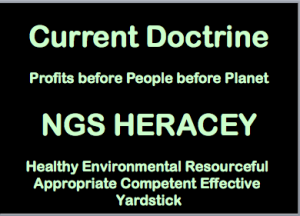
Current Doctrine v NGS Heracey(tm)
GBE HeraceyTM
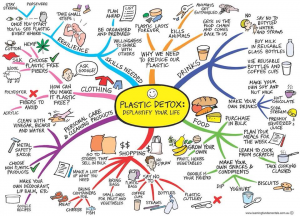
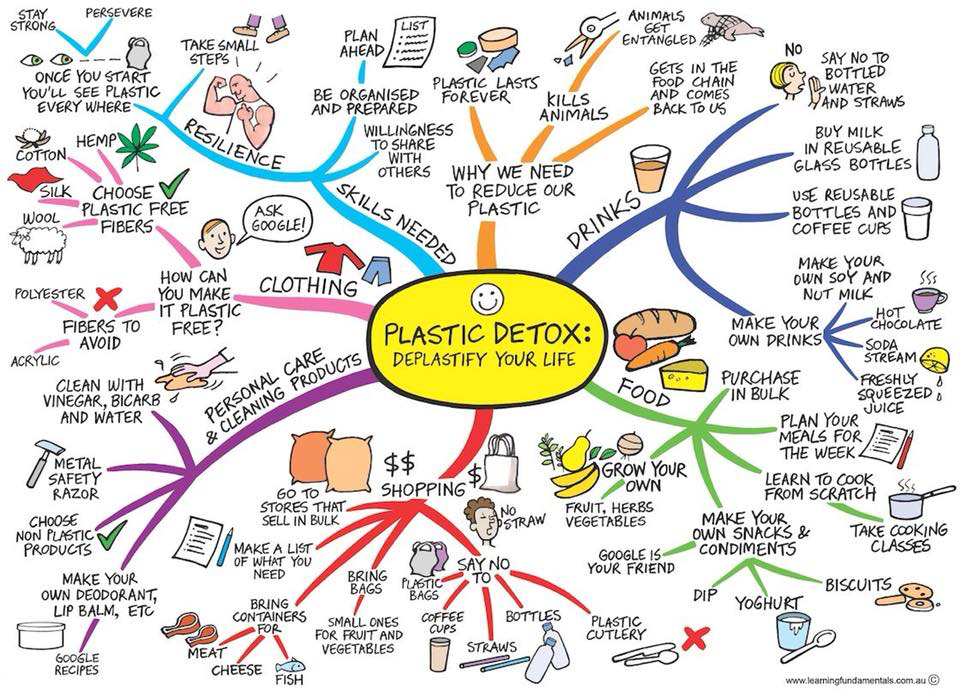
Plastic Detox Deplastify Your Life


© GBE GBC GRC GIC GGC GBL NGS ASWS Brian Murphy aka BrianSpecMan ******
27th March 2026
See Also:
GBE Guest Posts
- Sustainable Renovation Process (Guest Post) G#42350
- Digital Data Carbon Footprint (Guest Post) G# 42296
- Future of Sustainable Insulation: Natural Materials Over Plastics (Guest Post) G#42605
- Circular Construction: Designing for Deconstruction and Material Reuse (Guest Post) G#42629
- Eco-Refurbishment: Turning Old Buildings into Energy-Efficient Homes (Guest Post) G#42642
- Bio-Based Insulation and Its Role in Carbon Reduction (Guest Post) G#42658
- Decoding Embodied Carbon: A Practical Approach for Architects and Specifiers (Guest Post) G#42715
- Breathable Walls: The Science of Moisture-Resistant Natural Plasters (Guest Post) G#42732
- Designing Airtight Yet Breathable Buildings: Balancing Comfort, Health and Sustainability (Guest Post) G#42769
- Passive Design Strategies for the UK Climate (Guest Post) G#42790
- Retrofitting for Net Zero (Guest Post) G#42801
- Reclaim, Refurbish, Reuse (Guest Post) G#42816
- The Rise of Material Passports (Guest Post) G#42818
- Carbon-back Periods (Guest Post) G#43831
- Embodied Carbon Mistakes (Guest Post) G#42864
- Refurbishment as Climate Action (Guest Post) G#42874
- Carbon-back vs Pay-back (Guest post) G#42911
- Reclaimed Reduces Whole life carbon (Guest Post) G#42916
- Low-Carbon Material HERACEY Screening (Guest Post) G#42986
GBE Circular
- Circular Economy Action Plan(Publication) G#38180
- Circular Economy ZWS SEDA (Event) G#27448
- Cradle 2 Cradle Circular Economy New Language of Carbon G#14667
- The Future of Waste Management: Promoting a Circular Economy in the UK (Event) G#13817
GBE HERACEY™
- GBE HERACEY (Jargon Buster) G#1429 N#1399
- GBE HERACEY Healthy (Jargon Buster) G#1896 N#1753
GBE Links
GBE Other’s Stuff
- Other’s News G#935 N#953
- Other’s Campaigns (Navigation) G#976 N#997
- Other’s Newsletters (Navigation) G#682 N#704
- Other’s Blogs G#906 N#926
- Other’s Surveys G#970 N#991
GBE Brain Dumps
- EcoHomes What does the future look like (Brain Dump) G#40732
- How to Design Sustainably (Brain Dump) G#40730
- Building Performance Aspects (Brain Dump) G#21255
- Blockchain Timber Chain of Custody (Brain Dump) G#20312
- Product Data Golden Thread (Brain Dump) G#39241
GBE Brainstorms
- House NI 1960s EnerPHit Upgrade (Brainstorm) G#16288
- Future Facing Environmental Bathrooms (BrainStorm) G#15701
- Stone Barn Conversion Thermal Insulation (BrainStorm) G#14897
- Improving U values by Substitution (Brainstorm) G#13507
- 3 Houses (Brainstorm) G#7851
- Semi Basement (Brainstorm) G#7393
- Sommerfield One Off House (Brainstorm) G#760 N#782
GBE Issue papers
- Overheating (Issue Paper) G#145
- Squashed Loft Insulation (Issue Paper) G#13919
- Indoor Air Quality IAQ (Issue) G#1119 N#1135
GBE CPD Titles
- A90 Performance Specification (CPD) G#1377 N#1354
- About Specification (CPD) G#560 N#580
- BREGG Green Materials Olympics short (CPD) G#2096 N#240
- Building with Reclaimed Materials
- Commercial Green Part 2 (CPD) N#254
- Community Low Carbon Lifestyle (CPD) N#258
- Community LCL Support (CPD) N#257
- Green or Violet materials Which do you use (CPD) G#15560
- How do GBE Select Products (CPD)
- Jargon Buster Carbon Dioxide (CPD) G#291 N#292
- 57 Carbon and CO2 related terms
- Low Carbon Green Building (CPD)
- Low v High Carbon Lifestyle (CPD) N#307
- PASS Product Accessory System Screening (Assessment) G#515 N#533
- Reclaim Product Material Passports (CPD) G#30129
- Reclaim Reuse Specification (CPD) G#316 N#317
- Retrofit GreenDeal (CPD) N#339
- Retrofit GreenDeal Risks Rev11 (CPD) N#351
- Retrofit Materials and Methods (CPD)
- Violet Materials (Materials) G#963 N#983
© GBE GBC GRC GIC GGC GBL NGS ASWS Brian Murphy aka BrianSpecMan ******
27th March 2026
